
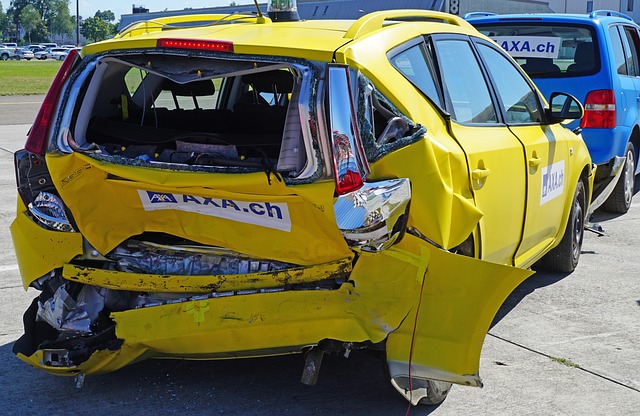
Comprehensive and collision coverages are vital for car insurance. Select Car Insurance based on driving history, vehicle condition, and usage. After an accident, collision insurance covers repair costs (avg. $3,573 per claim). Regularly review coverage with a professional to ensure adequate protection.
Selecting the right car insurance is a non-negotiable aspect of responsible vehicle ownership. It protects not just your financial assets but also provides peace of mind knowing you’re prepared for unforeseen circumstances on the road. However, navigating the complex web of coverage options can be daunting. Many drivers struggle to differentiate between comprehensive and collision coverage, essential components that underpin their policy. This article serves as a comprehensive guide, demystifying these crucial elements and empowering informed decisions when choosing Select Car Insurance that aligns with your needs.
- Understanding Comprehensive and Collision Coverage
- How to Select Car Insurance That Fits Your Needs
- Navigating Claims: What to Expect After an Accident
Understanding Comprehensive and Collision Coverage

Comprehensive and collision coverage are two critical components of car insurance policies, each offering distinct protections for vehicle owners. Understanding these coverages is essential when selecting Car Insurance that aligns with your needs. Comprehensive coverage protects against damages to your vehicle that aren’t related to a collision, such as theft, vandalism, natural disasters, or animal-related incidents. For instance, if your car is stolen while parked in your driveway, comprehensive insurance will help replace it, providing peace of mind especially for those who drive less or park their vehicles at home frequently. Non-owner business car insurance can be particularly useful for professionals who use their personal vehicles for work, offering a practical solution to bridge the gap between personal and commercial coverage needs.
Collision insurance, on the other hand, covers repairs resulting from accidents involving your vehicle. It pays for damages to both your car and the other party’s vehicle up to the actual cash value of your car at the time of the incident. The cost of collision insurance varies based on factors like your driving history, vehicle make and model, and location. For example, luxury or high-performance cars often carry higher collision premiums due to their increased repair costs. However, opting for a deductible that aligns with your financial comfort level can help lower these costs significantly.
When considering car insurance policies, remember that comprehensive and collision coverage are not one-size-fits-all. For pet owners, certain insurers offer pet-friendly car insurance policies that provide additional protection against unforeseen circumstances like accidents involving pets in the vehicle or liability claims related to pet damage. Similarly, if you invest in anti-theft devices for your car, many insurance companies offer discounts to incentivize safe driving practices and reduce potential theft risks. Regularly reviewing your coverage needs and discussing them with an insurance professional will ensure that you select the most suitable comprehensive and collision coverage options for your specific situation.
How to Select Car Insurance That Fits Your Needs

Selecting car insurance that aligns with your needs is a crucial step in protecting yourself financially and ensuring peace of mind behind the wheel. When navigating the vast options available, it’s essential to go beyond merely comparing premiums and coverage limits. Your choice should be guided by a thorough understanding of your unique circumstances and potential risks. For instance, if you’re insuring a high-mileage vehicle, you may require comprehensive or collision coverage to safeguard against mechanical failures or accidents that are more common in older cars. Similarly, high-performance vehicle owners often face elevated risk profiles, necessitating specialized insurance quotes tailored to their vehicles’ capabilities and the associated risks.
After an accident, it becomes even clearer why adequate insurance is indispensable. A fateful event like this not only causes physical and emotional stress but also leaves you vulnerable financially if you’re underinsured. According to a study by the Insurance Information Institute, the average cost of car insurance claims in 2021 was $1,736 for property damage and $943 for bodily injury per claim. These figures underscore the importance of comprehensive coverage, which can protect you from such substantial out-of-pocket expenses.
To select the right car insurance, start by assessing your driving history, vehicle condition, and usage patterns. If you have a clean record and drive a well-maintained vehicle for occasional trips, a basic liability policy might suffice. However, if you’re in the market for high-performance vehicle insurance quotes or insuring a classic car that’s seen better days, consider the additional protections offered by comprehensive or collision coverage. This proactive approach ensures you’re adequately insured, not just minimally covered, when navigating our complex automotive landscape.
Navigating Claims: What to Expect After an Accident
Navigating Claims: Understanding Your Coverage After an Accident
After a car accident, the last thing on your mind is likely the intricacies of filing a claim. This is where comprehensive and collision coverage comes into play, providing financial protection during this challenging time. Select Car Insurance offers a robust framework to guide you through the process, ensuring a smoother transition back to normalcy. When an accident occurs, understanding what’s covered under collision insurance is crucial. This type of coverage compensates for damages to your vehicle resulting from collisions, whether with another vehicle, object, or even yourself.
If you insure a high-mileage vehicle or are prone to frequent accidents, collision insurance is essential. It can help repair or replace your car, covering expenses such as tow services, parts, and labor. For instance, according to the Insurance Information Institute, in 2021, the average cost of a claim due to property damage was $3,573. Having collision coverage can significantly alleviate these costs, ensuring you’re not left with a substantial financial burden.
The claims process typically begins by contacting your insurance provider as soon as possible after the accident. They will guide you through gathering necessary information and documentation, such as police reports and medical records (if injuries occurred). During this time, it’s important to keep detailed records of all expenses related to the incident, including repair estimates and medical bills. Car insurance after an accident should provide peace of mind, knowing your financial interests are protected. With Select Car Insurance, you can trust that our comprehensive coverage offers a reliable safety net, ensuring you’re not left stranded in the aftermath of an unexpected event.
By understanding comprehensive and collision coverage, you can make informed decisions when Select Car Insurance. Key takeaways include recognizing the importance of each type of coverage for different driving scenarios and prioritizing your safety and financial protection. Navigating claims efficiently by staying calm, documenting evidence, and communicating with insurers ensures a smoother process after an accident. To move forward, review policy options, compare quotes, and choose a plan that aligns with your needs and budget while ensuring adequate coverage.